

Curtains serve not only as an decorative addition to our living spaces and commercial spaces, but also play a key role in maintaining our indoor air quality. Over the years, however, they can become a harbor for dust , mold, and other pollutants that contribute to respiratory conditions and asthma. Soiled curtains can harbor a accumulation of debris, pet dander, epidermal cells, and spots, all of which can affect the hygiene of the area they occupy. Keeping your window treatments spotless is not just about aesthetic; it is crucial for your health and comfort.
So how often should you set the maintenance of your drapes for your spaces? The solution depends on various factors, including the setting, the presence of pets, and even your personal health needs. A thorough knowledge of the common triggers like particles, mold, and pollutants can help you establish a cleaning routine that ensures your curtains shine and promote a clean living condition. In this resource, we will explore the best techniques for cleaning curtains and provide a plan for maintenance, so you can enjoy fresh, new window treatments year-round.
Comprehending Drape Contamination
Drapes serve as a barrier against light and provide privacy, but they often become a magnet for dust and stains. Over time, these appearing innocent fabric pieces can gather various contaminants that not only affect their look but also the indoor air quality of your house or workspace. Dust mites, pet dander, and dead skin cells thrive on drapes, forming a habitat for allergens that can trigger respiratory problems, including asthma and other health issues.
Furthermore, drapes in moist environments are susceptible to fungus and mold growth growth. The combination of humidity and organic matter like dirt creates an optimal breeding ground for molds, which can significantly worsen indoor air quality and add to unpleasant odors. Regular cleaning is essential to eliminate these contaminants and maintain sanitation, ensuring that the area remains a safe environment for its occupants.
Recognizing the types of pollution that can occur on drapes is the first step in setting up an effective cleaning routine. Knowing that dirt, soil, and biological contaminants can build up will help in noticing when it is time to start thorough cleaning practices. This proactive approach not only lengthens the lifespan of your curtains but also improves the general cleanliness and air quality of your living or offices.
Health Effects of Grimy Drapes
Grimy drapes can substantially influence your interior air quality, harboring dirt and irritants that circulate throughout your household and working environments. Over time, drapes collect dust, pet dander, and dead skin cells, creating an excellent environment for dust mites and additional irritants. These contaminants can be especially harmful harmful for individuals with asthma or lung conditions, as they trigger allergy reactions and worsen ongoing issues.
Additionally, the existence of fungus and mildew on unclean curtains poses grave medical hazards. curtain cleaning service near me thrive in wet environments, and if your curtains are not cleaned regularly, they can become a nesting site for these toxic life forms. Contact to mold can lead to respiratory problems, headaches, and additional medical concerns. Maintaining clean curtains is essential for stopping these issues and ensuring a more wholesome environment for you and your family or coworkers.
In conclusion, the hygiene of your drapes directly affects the complete tidiness of your area. If left dirty, dirty drapes can contribute to the gathering of smells and aerial pollutants, diminishing not only atmosphere standards but also your well-being. Consistent cleaning helps to eliminate these coatings of dust and dust, promoting a fresh atmosphere while also enhancing the visual attractiveness of your home or office.
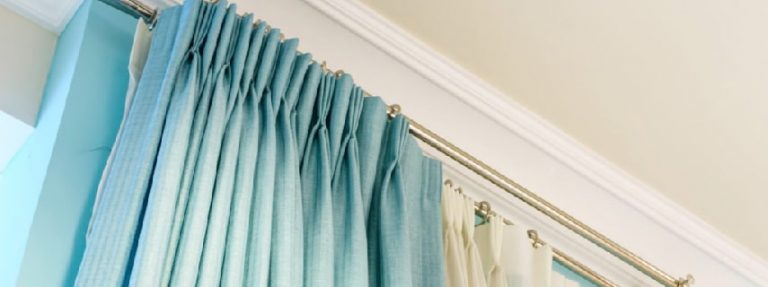
Efficient Curtain Hygiene Strategies
When it comes to maintaining clean curtains, picking the most effective cleaning method is essential to keeping they remain spotless and devoid of allergens. One common approach is the steam method, which not only does it remove dust and dirt but also disinfects the fabric. This method utilizes hot steam to deep clean the fibers, effectively removing dust mites, dead skin cells, pet dander, and any accumulated bacteria. Regular use of steam cleaning aids in reducing respiratory problems, especially for individuals suffering from asthma or other allergies.
For lighter stains and everyday upkeep, cleaning curtains in a washing machine is often a effective solution. Before washing, it's important to review the care label for specific guidelines regarding water temperature and washing cycle. Using a gentle detergent and avoiding bleach can preserve the fabric's integrity while effectively tackling dust and stains. This routine cleaning supports maintain indoor air quality by diminishing the accumulation of mold, mildew, and fungi that flourish in a filthy environment.
In cases of heavy staining or major mold growth, professional cleaning services may be the best option. These professionals employ advanced techniques and equipment to deep clean curtains, ensuring that fungus and dirt are thoroughly removed from the fabric. Using professional cleaning not only enhances hygiene but also rejuvenates the aesthetic appeal of the curtains, ultimately resulting to a cleaner living or working space.
Establishing a Hygiene Schedule
Establishing a maintenance schedule for your window treatments is crucial to maintain their appearance and ensure a clean indoor space. Depending on various factors such as the type of space, air quality, and your lifestyle, the rate of cleaning can vary. For homes, a solid guideline is to wash your drapes every 3 to six months. This schedule helps reduce dirt, allergens, and potential marks that build up over time due to daily use.
In work environments, where dust and allergens from staff can quickly accumulate, a slightly regular cleaning schedule may be necessary. Consider deep cleaning your workspace curtains every 2 to three months to address common issues like dust mites, pet dander, and fungi. You can also incorporate light cleaning methods, such as vacuuming with a tool, monthly to manage the accumulation in between deep cleanings.
Lastly, remember to take seasonal into consideration. In climates with high moisture, curtains may be more prone to mold and fungus. Increase your cleaning frequency during these times to improve indoor air quality and minimize the risk of breathing problems for all in the environment. Ultimately, customize your cleaning plan to best fit your individual environment and personal needs.
Improving Indoor Air Quality
Regular curtain cleaning is essential for improving indoor quality of air, particularly in areas where allergens tend to gather. Curtains are notorious for trapping dust, pet hair, and skin flakes, all of which add to poor air quality. When neglected, these particles can become airborne, exacerbating respiratory issues such as asthma and other allergies. A regular cleaning schedule helps to lessen these hazards and ensures that your home or office environment stays healthy.
In furthermore to irritants, mold and mildew can thrive on dirty curtains, especially in damp conditions. These molds not only produce bad smells but can also disperse spores into the environment, leading to serious respiratory issues. Using deep cleaning methods, such as steam extraction cleaning, can effectively eliminate mold and stop its reoccurrence. Ongoing maintenance prevents the accumulation of grime and stains, further promoting a clean atmosphere.
Ultimately, washing curtains at least every half a year is a wise rule of guideline to help maintain air quality. For homes with pets or individuals allergic to allergens, regular cleaning may be needed. By adding proper curtain cleaning into your routine household or office maintenance program, you can create a safer environment and enhance overall health.